Get Arborist Pruning
Arborist pruning services help property owners maintain tree health, remove hazardous branches, shape trees, and improve safety through expert trimming and pruning projects.
Arborist pruning services are essential for maintaining the health, safety, and appearance of trees on residential and commercial properties. Proper pruning can help prevent hazards caused by overgrown or damaged branches, promote vigorous growth, and enhance the overall landscape. Property owners in the area often consider professional pruning to ensure their trees remain strong and attractive, especially as part of ongoing property maintenance or before seasonal changes.
For those exploring options in the local area, connecting with experienced service providers can offer tailored solutions that meet specific needs. Comparing local contractors allows property owners to find professionals with the expertise to handle a variety of pruning projects, whether for aesthetic enhancement or safety concerns. Keep reading to discover how trusted arborist pruning services can support the ongoing care of your trees.
- Tree Pruning - needed when trees develop overgrown branches that pose safety risks or impact property aesthetics.
- Deadwood Removal - required to eliminate dead or decaying branches that could fall and cause damage or injury.
- Formative Pruning - used to shape young trees for healthy growth and proper structure as they develop.
- Structural Pruning - essential for mature trees to improve stability and reduce the risk of limb failure.
- Storm Damage Pruning - necessary after severe weather to remove broken or hazardous branches and restore tree health.
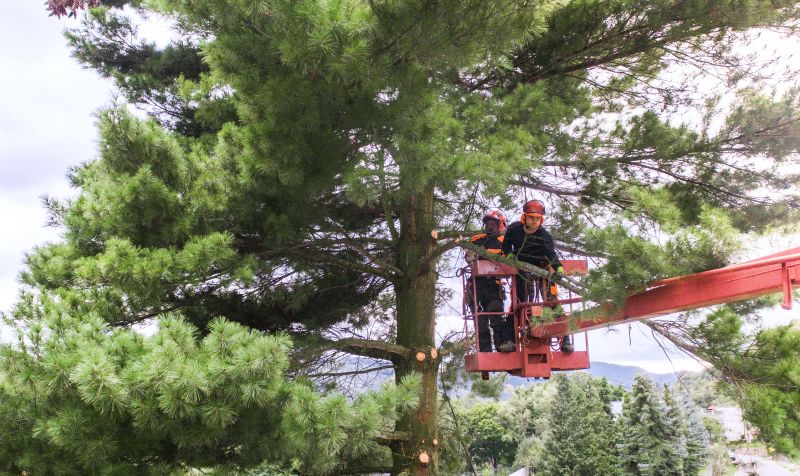
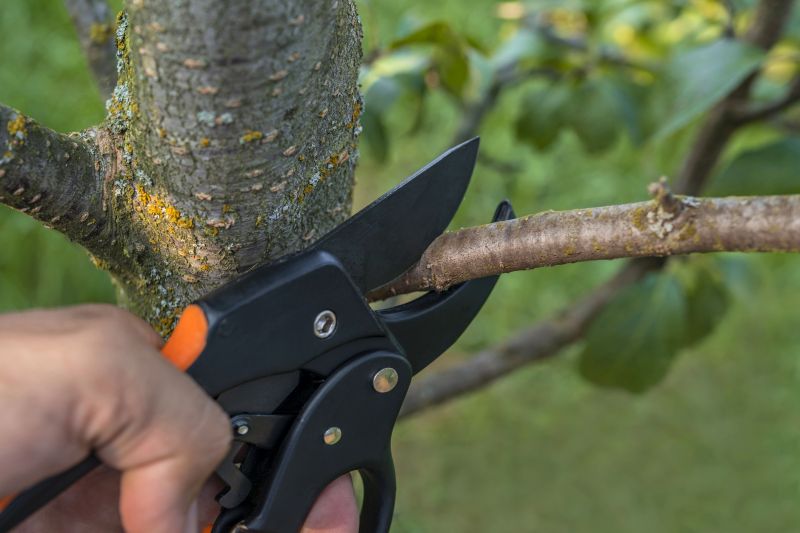
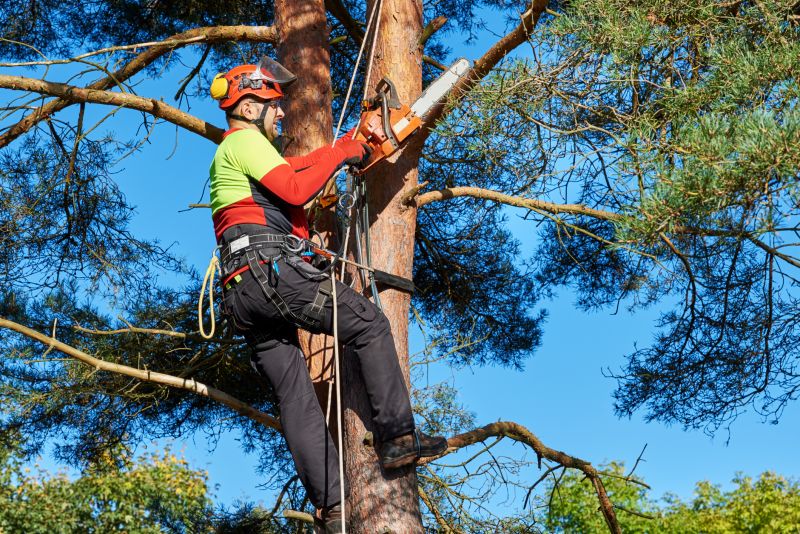
Arborist pruning services involve the careful trimming and shaping of trees to promote healthy growth and enhance their appearance. Skilled service providers assess each tree’s structure, removing dead, diseased, or damaged branches that could pose safety risks or hinder overall health. Proper pruning also helps improve airflow and sunlight penetration, which can reduce the likelihood of pest infestations and fungal infections. This targeted approach ensures that trees remain strong, safe, and aesthetically pleasing for years to come.
These services are essential for addressing common tree problems such as overgrowth, broken limbs, or branches that interfere with power lines, structures, or walkways. Overgrown or poorly maintained trees can become hazards during storms or high winds, risking property damage or personal injury. Additionally, pruning can correct uneven growth patterns, prevent branch failure, and maintain a balanced canopy. Regular pruning by local contractors can help prevent costly repairs and keep trees in optimal condition.
Many types of properties benefit from arborist pruning, including residential homes, commercial properties, parks, and community spaces. Homeowners often seek pruning to maintain their landscape’s safety and visual appeal, especially around driveways, patios, or swimming pools. Commercial property managers may request pruning to ensure clear sightlines, compliance with safety regulations, or to enhance curb appeal. Public parks and green spaces also rely on professional pruning to manage large tree populations and preserve the health of urban forests.
Homeowners and property managers should consider arborist pruning when trees exhibit signs of disease, have broken or hanging branches, or show uneven growth that could compromise safety. It is also recommended when trees are growing too close to structures, utilities, or pathways, creating potential hazards. Engaging experienced local service providers ensures that pruning is performed correctly, with attention to the specific needs of each tree and property. Proper pruning can extend the lifespan of trees and contribute to a safer, more attractive landscape.
The overview below groups typical Arborist Pruning projects into broad ranges so you can see how smaller, mid-sized, and larger jobs often compare in your area.
In many markets, a large share of routine jobs stays in the lower and middle ranges, while only a smaller percentage of projects moves into the highest bands when the work is more complex or site conditions are harder than average.
Smaller Tree Pruning - typical costs range from $250-$600 for routine trimming of small to medium-sized trees. Many projects fall within this middle range, while fewer jobs push into the higher end for larger or more complex jobs.
Large Tree Pruning - more extensive pruning of large or mature trees can cost between $600-$1,500. These projects often involve specialized equipment and can vary based on tree size and accessibility.
Emergency or Hazard Tree Removal - urgent pruning or removal of damaged or hazardous trees usually costs from $1,000-$3,000. Many local contractors handle these jobs regularly within this range, though highly complex cases can exceed it.
Full Tree Removal and Stump Grinding - complete removal of a tree, including stump grinding, typically ranges from $1,200-$4,000. Larger or more complicated removals tend to be on the higher end of this spectrum, with some projects reaching $5,000+.
Actual totals will depend on details like access to the work area, the scope of the project, and the materials selected, so use these as general starting points rather than exact figures.
Tree Removal - professionals skilled in safely removing trees often use similar pruning techniques to manage tree health and structure.
Stump Grinding - stump grinding requires precision and the use of specialized tools, similar to those used in pruning large branches.
Landscape Maintenance - landscape maintenance projects often involve pruning and trimming trees to promote healthy growth and aesthetic appeal.
Emergency Tree Care - emergency services for storm-damaged or hazardous trees utilize planning and pruning skills to ensure safety and stability.
Fruit Tree Pruning - specialized pruning of fruit trees shares techniques and planning considerations with arborist pruning services.
Hazard Tree Assessment - evaluating and planning for the removal or pruning of potentially dangerous trees involves similar expertise and tools as arborist pruning.
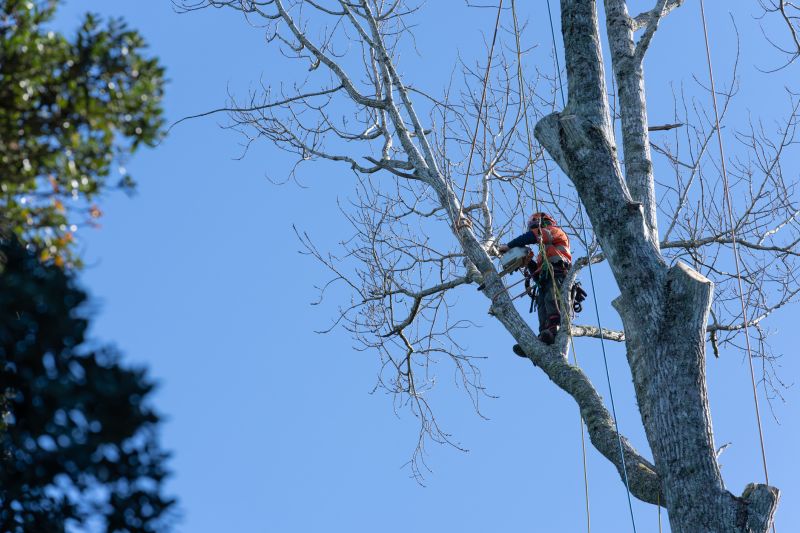
When evaluating arborist pruning services, it’s important to consider the experience of local contractors with similar projects. Homeowners should look for service providers who have a proven track record of handling trees comparable in size, species, or location to their own. Asking about past projects or seeking references can help gauge whether the contractor has the necessary expertise to meet specific needs. A contractor’s familiarity with local tree varieties and common pruning challenges can contribute to a more successful outcome.
Clear, written expectations are essential when choosing a tree care professional. Homeowners should aim to receive detailed descriptions of the scope of work, including what pruning techniques will be used and which parts of the tree will be affected. Having this information in writing helps prevent misunderstandings and ensures that both parties are aligned on the project goals. Reputable service providers often provide comprehensive estimates or proposals that outline the work involved, giving homeowners a solid basis for comparison.
Good communication and reputable references are key indicators of a reliable arborist pruning service. Homeowners should seek out local contractors who are responsive to questions and willing to provide references from past clients. Contacting previous customers can offer insights into the contractor’s professionalism, reliability, and quality of work. Remember, this site introduces homeowners to local options for tree pruning services; it does not perform the work itself. The goal is to connect with qualified service providers who can handle the project with expertise and clear communication.
Property owners use Arborist Pruning services for practical projects around their homes and businesses. This guide focuses on everyday jobs and straightforward project options.
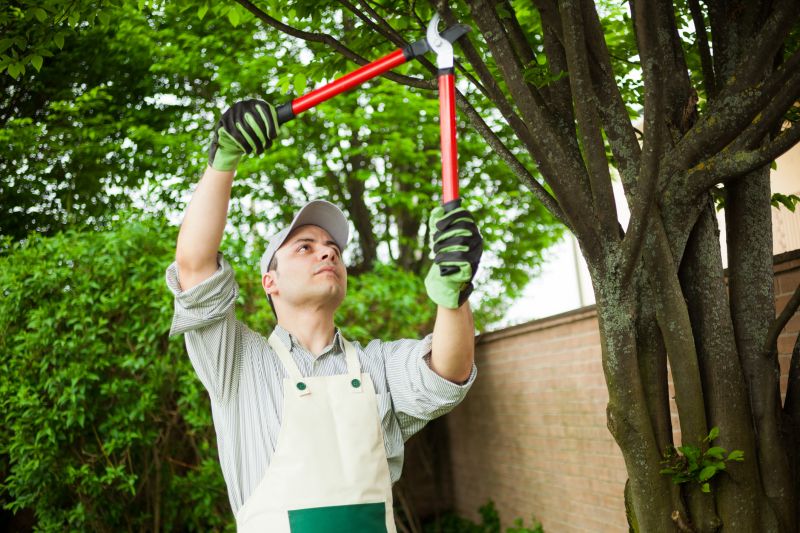
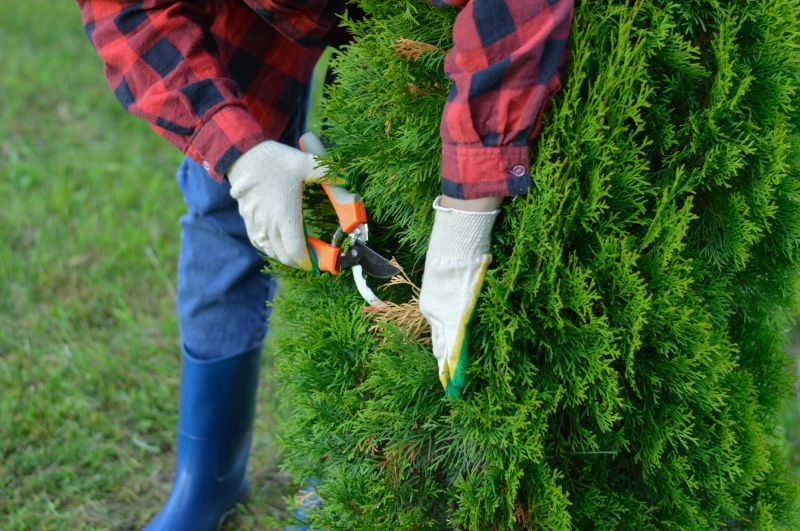
Arborist pruning services are often needed for routine maintenance or to address specific concerns with trees and shrubs on residential properties. Homeowners may seek professional pruning to remove dead or diseased branches, improve the overall health of their trees, or enhance the appearance of their landscape. Additionally, property owners might look for local contractors to help manage overgrown trees that could interfere with power lines, buildings, or other structures, ensuring safety and accessibility around the property.
In many cases, property owners turn to local service providers for pruning when preparing their yard for seasonal changes or special events. Proper pruning can also promote better growth and flowering, making it a common task for those wanting to maintain a tidy, attractive outdoor space. Local arborist contractors are equipped to handle these everyday projects, providing the expertise needed to keep trees healthy and well-shaped while fitting into the regular upkeep routines of property owners.
What is tree pruning? Tree pruning involves selectively removing specific branches or parts of a tree to improve its health, structure, and appearance.
Why should I consider professional pruning services? Professional arborists can ensure that pruning is done safely and correctly, promoting healthy growth and reducing the risk of damage.
How do local contractors determine the best pruning approach? They assess the tree’s species, age, and condition to develop a tailored pruning plan that supports its long-term health.
What types of pruning services are available? Services may include crown thinning, crown reduction, deadwood removal, and formative pruning for young trees.
How can I find qualified arborist pruning services in my area? Use local service directories or lead generation platforms to compare and connect with nearby contractors offering pruning expertise.
Tree Crown Thinning - This service helps property owners improve tree health and reduce wind resistance by selectively removing branches, making trees safer during storms.
Overgrown Tree Trimming - Contractors can shape and prune trees to prevent interference with power lines, buildings, or pathways, maintaining a tidy yard.
Deadwood Removal - Local service providers can clear out dead or diseased branches to promote healthy growth and reduce the risk of falling debris.
Structural Pruning - This technique involves shaping trees to develop a strong structure, which can support healthy growth and enhance the landscape's appearance.
If you are thinking about Arborist Pruning for a property, this guide is meant to help you understand the work, the typical project types, and how different options might fit your plans.
When you are ready, you can use the quote form on this page to share a few details about your project. From there, local pros can review the basics and respond with options that match what you have in mind.